
Choosing the right flooring for your home or business can be a challenging decision. Among the many options available, glue down vinyl flooring has gained popularity due to its remarkable durability, stability, and ability to mimic the natural beauty of wood. Understanding the glue down vinyl flooring pros and cons is essential when deciding if this flooring option is right for your space. In this comprehensive guide, we’ll dive into the advantages and drawbacks of glue down vinyl flooring to help you make an informed decision.
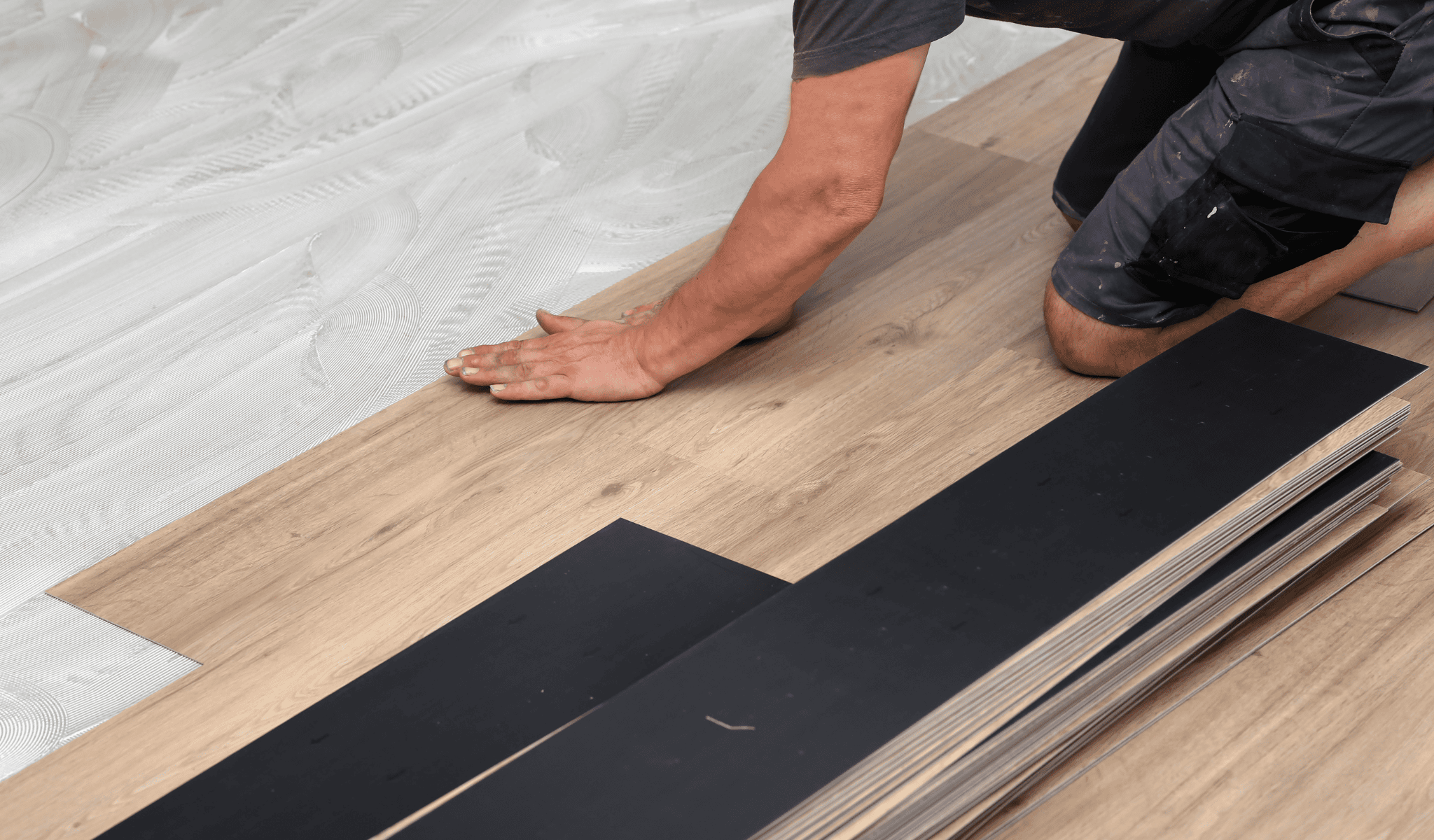
Glue down vinyl flooring refers to a type of flooring where each plank or tile is securely adhered to the subfloor using a strong adhesive. This method provides a stable, long-lasting surface that’s perfect for high-traffic areas or spaces requiring durability and stability. Unlike floating floors, which use interlocking mechanisms, glue down vinyl offers a permanent and reliable fit.
When choosing glue down vinyl flooring, it’s crucial to weigh both the glue down vinyl flooring pros and cons to determine whether it fits your needs. Let’s start by looking at the key benefits of this flooring option:
A major advantage of glue down vinyl flooring is its superior stability. The adhesive bond ensures minimal movement of each plank, making it an ideal choice for high-traffic areas such as hallways, kitchens, and commercial spaces. Unlike floating floors that can shift or expand over time, glue down vinyl flooring remains securely in place, providing a smooth, flat surface.
Durability is a top reason many choose glue down vinyl flooring. Once installed, it offers resistance to wear and tear, making it perfect for high-traffic spaces like entryways, kitchens, and offices. The strong adhesive bond keeps the planks securely in place, reducing the risk of lifting. This durability also ensures that glue down vinyl flooring tends to outlast other flooring options like floating vinyl floors.
Compared to hardwood, tile, or stone, glue down vinyl flooring offers an affordable solution without compromising on durability or aesthetic appeal. Its ability to mimic the look of natural materials at a lower price point makes it a great choice for budget-conscious homeowners or business owners.
One of the significant pros of glue down vinyl flooring is its moisture resistance. The adhesive bonds tightly with the subfloor, minimising the risk of water seeping underneath, unlike wood or carpet. This makes it an ideal option for bathrooms, kitchens, and laundry rooms, where moisture is a common concern. Proper installation and sealing of seams ensure that glue down vinyl flooring stays protected from water damage.
Glue down vinyl flooring is low-maintenance and relatively easy to repair. If a plank becomes damaged, you can replace individual planks without disturbing the entire floor. Regular sweeping or vacuuming and occasional mopping is all it takes to maintain its beauty. Additionally, glue down vinyl doesn’t require sealing or waxing, making upkeep effortless.
While glue down vinyl flooring offers many benefits, it’s essential to consider its potential drawbacks. Understanding the glue down vinyl flooring cons will help you assess if this flooring choice meets your needs.
One of the biggest challenges with glue down vinyl flooring is the installation process. Unlike click-lock or peel-and-stick options, glue down vinyl requires precise adhesive application. This process can be time-consuming and complex, especially for large or irregular spaces. To ensure a flawless finish, professional installation is often recommended.
A significant disadvantage of glue down vinyl flooring is its permanent bond to the subfloor. Once installed, the flooring becomes difficult to remove, which can be problematic if you plan to remodel or replace the flooring later. The removal process can be labour-intensive and may cause damage to the subfloor, which makes glue down vinyl flooring a more permanent flooring solution compared to floating options.
For glue down vinyl flooring to adhere properly, the subfloor must be in excellent condition. Any imperfections, cracks, or debris can affect the adhesive bond and result in an uneven floor. Ensuring a smooth, level subfloor is a crucial part of the installation process and may involve additional preparation time and costs.
Some lower-quality glue down vinyl flooring may emit a chemical odour known as off-gassing after installation. While this smell typically dissipates with proper ventilation, it’s recommended to choose high-quality, low-VOC (Volatile Organic Compound) options to avoid potential health concerns and ensure a better overall indoor air quality.
When considering glue down vinyl flooring pros and cons, it’s also helpful to compare it with other vinyl flooring options, like click-lock vinyl. Glue down vinyl flooring is ideal for spaces that require durability, stability, and resistance to moisture. It’s perfect for high-traffic areas, commercial spaces, or kitchens. However, if you’re looking for ease of installation and flexibility, click-lock vinyl might be the better option. Click-lock vinyl is easier to install and remove, making it suitable for temporary setups or spaces where comfort is a priority.
Deciding if glue down vinyl flooring is the right choice for your home or business requires weighing both the glue down vinyl flooring pros and cons. If you prioritize long-term durability, stability, and moisture resistance, glue down vinyl may be the perfect flooring solution for you. However, if you need a more flexible option with an easier installation process, you may want to consider other vinyl flooring choices.
At Scelavi South Africa, we offer a wide selection of high-quality glue down vinyl flooring that combines the aesthetic appeal of natural wood with the durability of vinyl. Our glue down vinyl flooring is designed for both residential and commercial spaces, ensuring long-lasting beauty, style, and practicality.
Contact us today to discover how our glue down vinyl flooring can elevate your space.